Introduction

The Preparation and Packaging phase in the Central Sterile Services Department (CSSD) Quality Assurance Cycle is a crucial step that directly follows cleaning and disinfection. This stage involves preparing the cleaned and disinfected medical instruments for sterilisation and use. It is pivotal for maintaining the sterility of instruments until they are used on patients, avoiding any contamination that could lead to healthcare-associated infections (HAIs). Proper handling, preparation, and packaging materials are essential to ensuring that instruments remain sterile during storage and transportation.

Key Steps in Preparation and Packaging

Inspection and Maintenance

Post-cleaned and disinfected instruments are meticulously inspected for cleanliness, functionality, and integrity. This includes checking for any damage and ensuring that all components of complex instruments are correctly assembled.

Preparation

Once the instruments are deemed ready, they are carefully organised and arranged in preparation for packaging. Instruments are assembled into sets or trays based on procedural or surgical needs.

Packaging

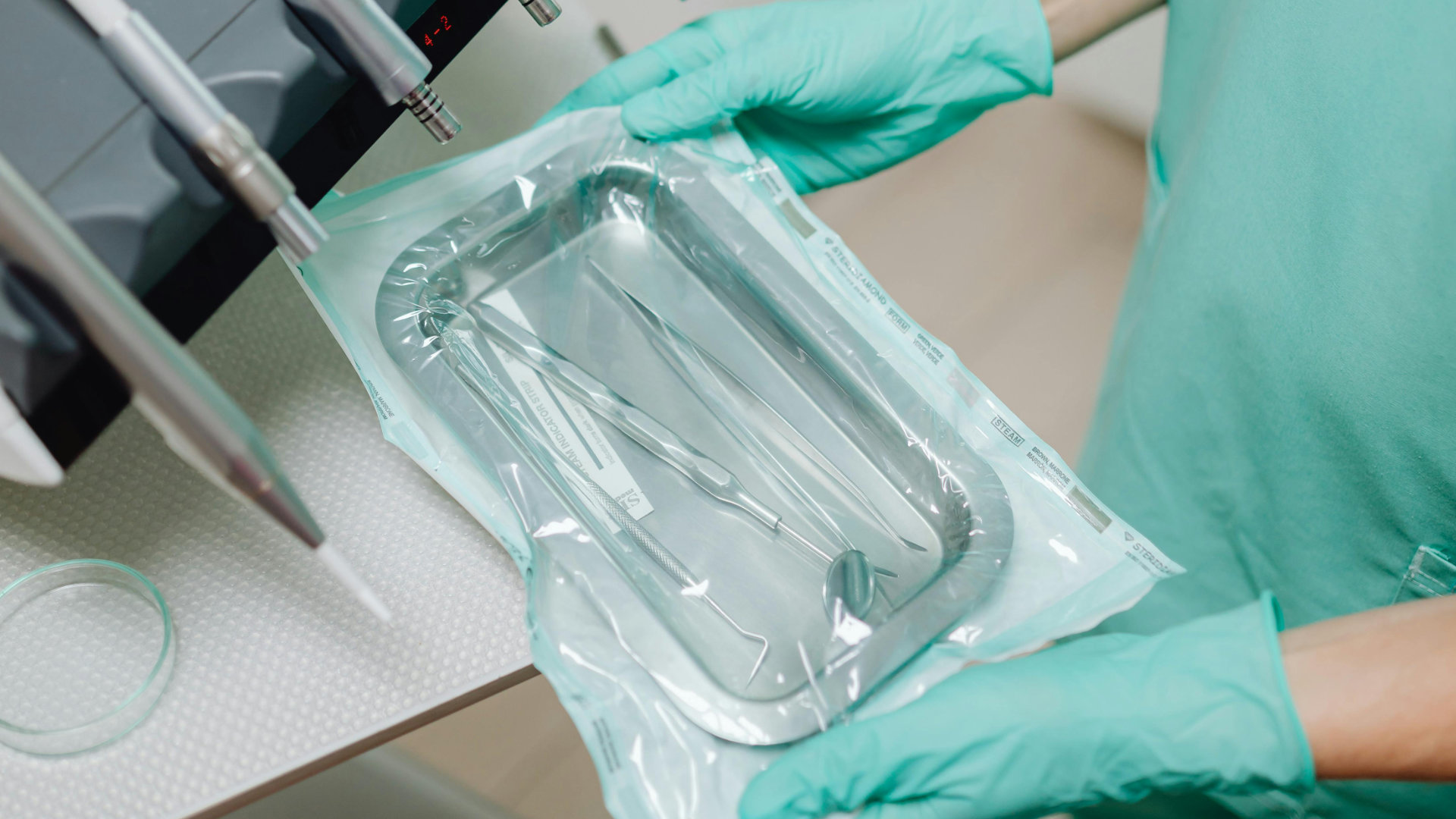
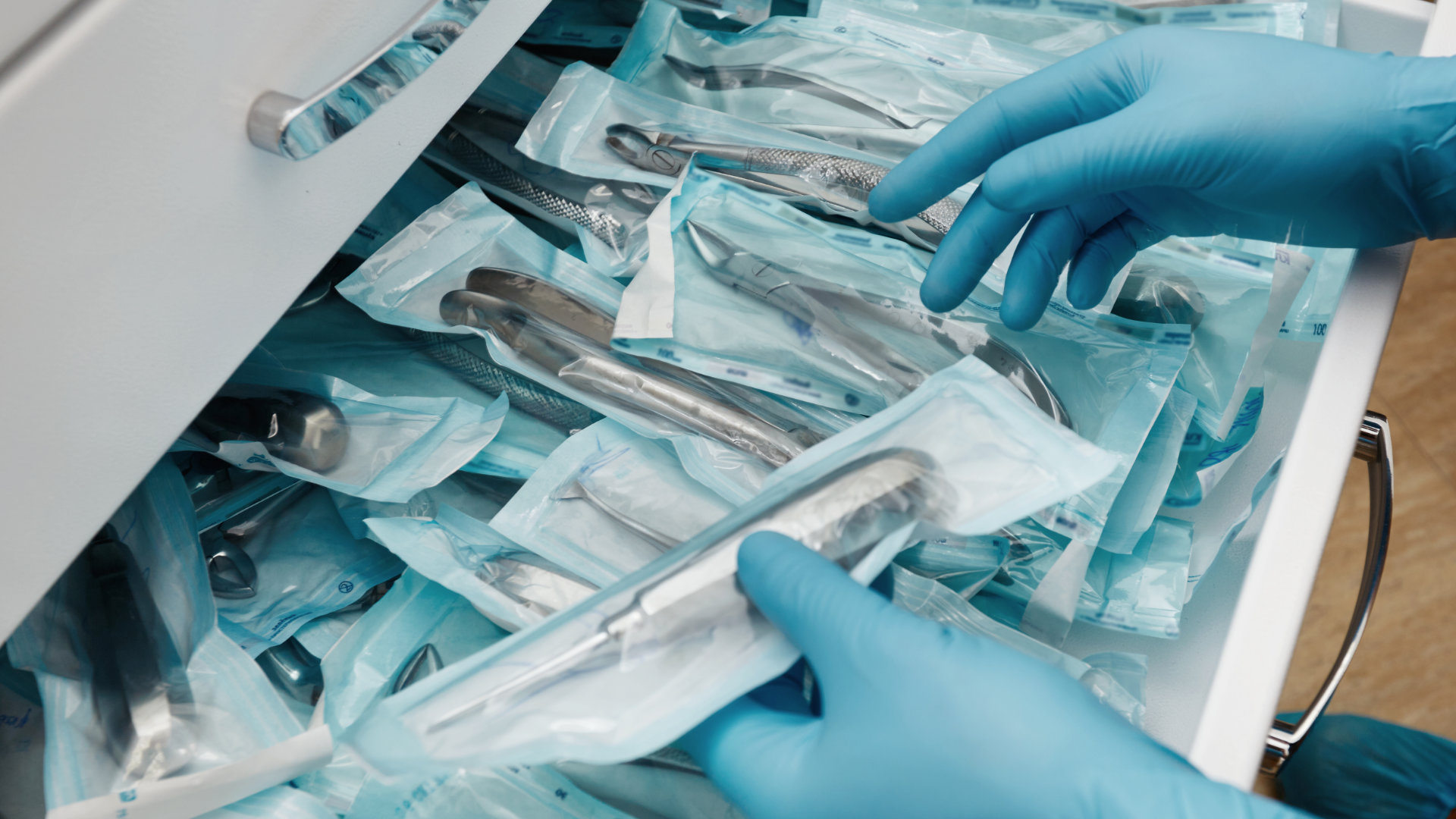
The prepared instruments are then packaged using sterile barrier systems (SBS) to protect them from contamination until they are ready to be used. The choice of packaging material is critical and depends on the type of sterilisation process to be used and the storage conditions.

Important Considerations

Compatibility: Ensure that the packaging materials are compatible with the sterilisation method to be used.

Validation and Verification: Regular checks and validations of the packaging process, as well as the integrity of the packaging materials, are vital to ensure they meet the required standards for sterility.

Training: Staff involved in preparation and packaging should be adequately trained in the use and handling of the products and materials, as well as the techniques to ensure optimal outcomes.

Types of Products

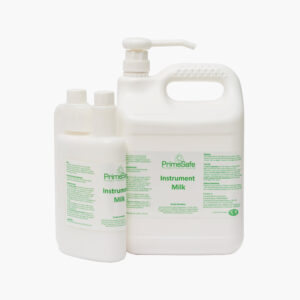
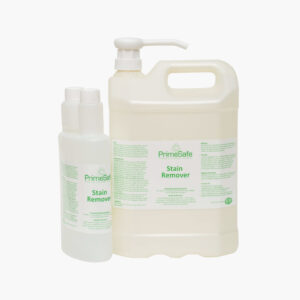
Products like Primesafe Stain Remover and Primesafe Instrument Milk are crucial at this stage. The Stain Remover is used for removing any residual stains that could harbour bacteria, while Instrument Milk is employed for lubricating the instruments, ensuring their smooth operation and prolonging their life.

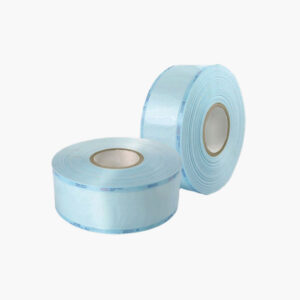
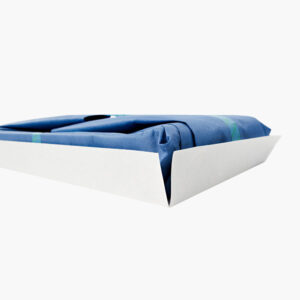
In CSSD packaging, various products are used to ensure sterilisation and maintain sterile fields. SMMS Wraps, composed of spunbound-meltblown-meltblown-spunbond layers, deliver high-level protection against microbes, while Tray Liners offer cushioning at the base of instrument trays and absorb moisture to prevent instrument corrosion. Flat Sterilisation Reels are made of durable materials that enable sterilant penetration but keep contaminants out. Self-seal Pouches provide a ready-to-use solution for smaller tools, offering both sterility and convenient seals. Autoclave Tape serves as a visual confirmation of sterilisation, changing colour once processed. Additionally, Masking Tape is utilised for labelling and securing wraps or trays, chosen for its compatibility with sterilisation methods to ensure consistent sterility and safety.

QUALITY ASSURANCE CYCLE

At Kur-a-Med, our commitment to enhancing patient safety and supporting the vital operations of CSSD is at the forefront of everything we do. We bring an unparalleled level of expertise and dedication to the field of CSSD quality assurance and compliance through our product, service and customer support offering.

Training & In-Service Support
Upskilling the CSSD Technician Team

Our skilled sales team offers In-Service knowledge training. This program is designed to upskill the CSSD technician team, providing them with the latest industry insights, best practices, and technical skills required to excel in their roles.