

Sterile Stores
Quality Assurance Cycle
Introduction
Sterile Stores are integral departments within a healthcare facility, and act as repositories where sterilised items are stored and managed before use. The primary purpose of sterile stores is to maintain the sterility of items post-sterilisation until they are required for patient care, thereby ensuring that these items are safe for use and free from contamination.
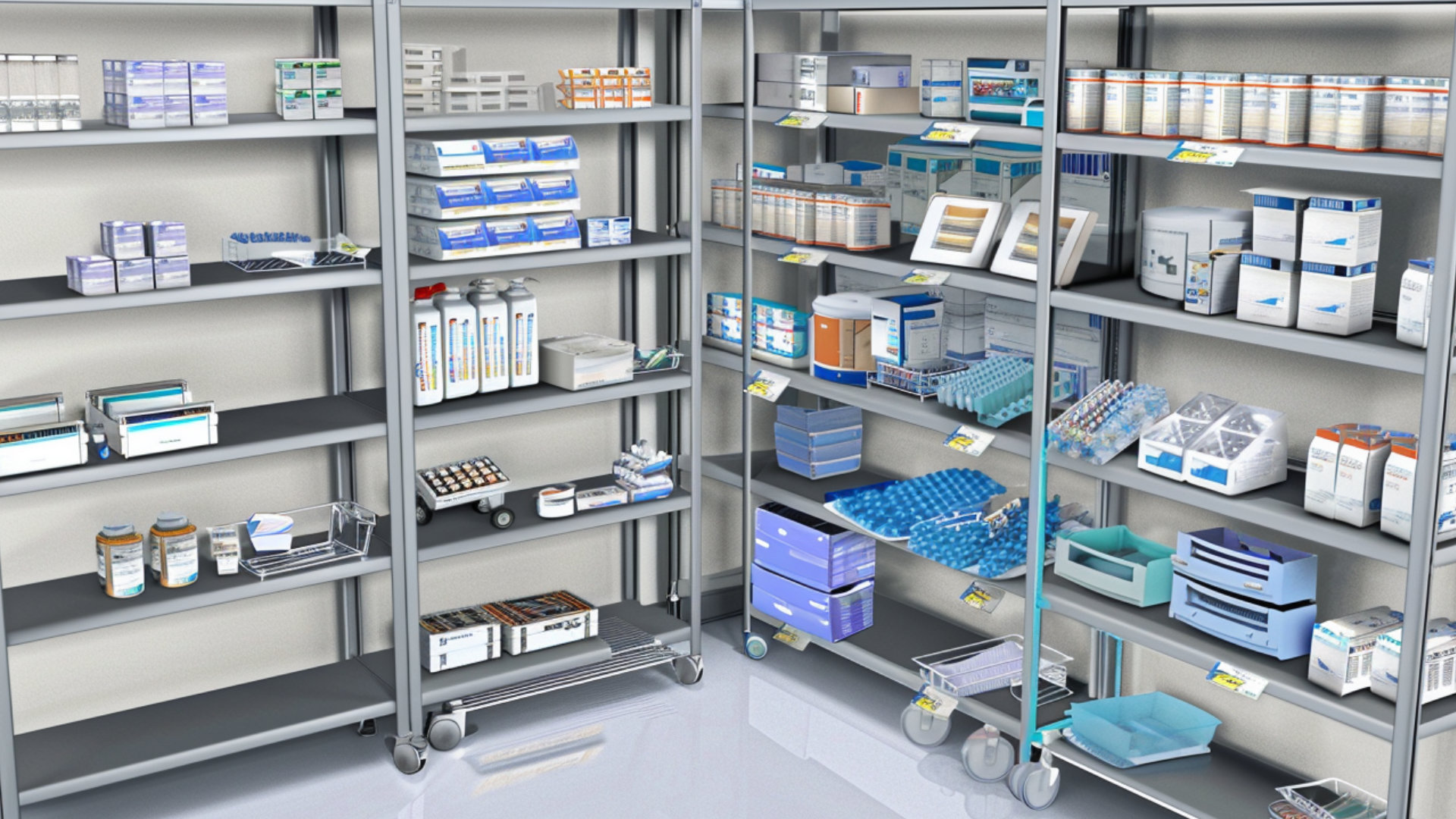
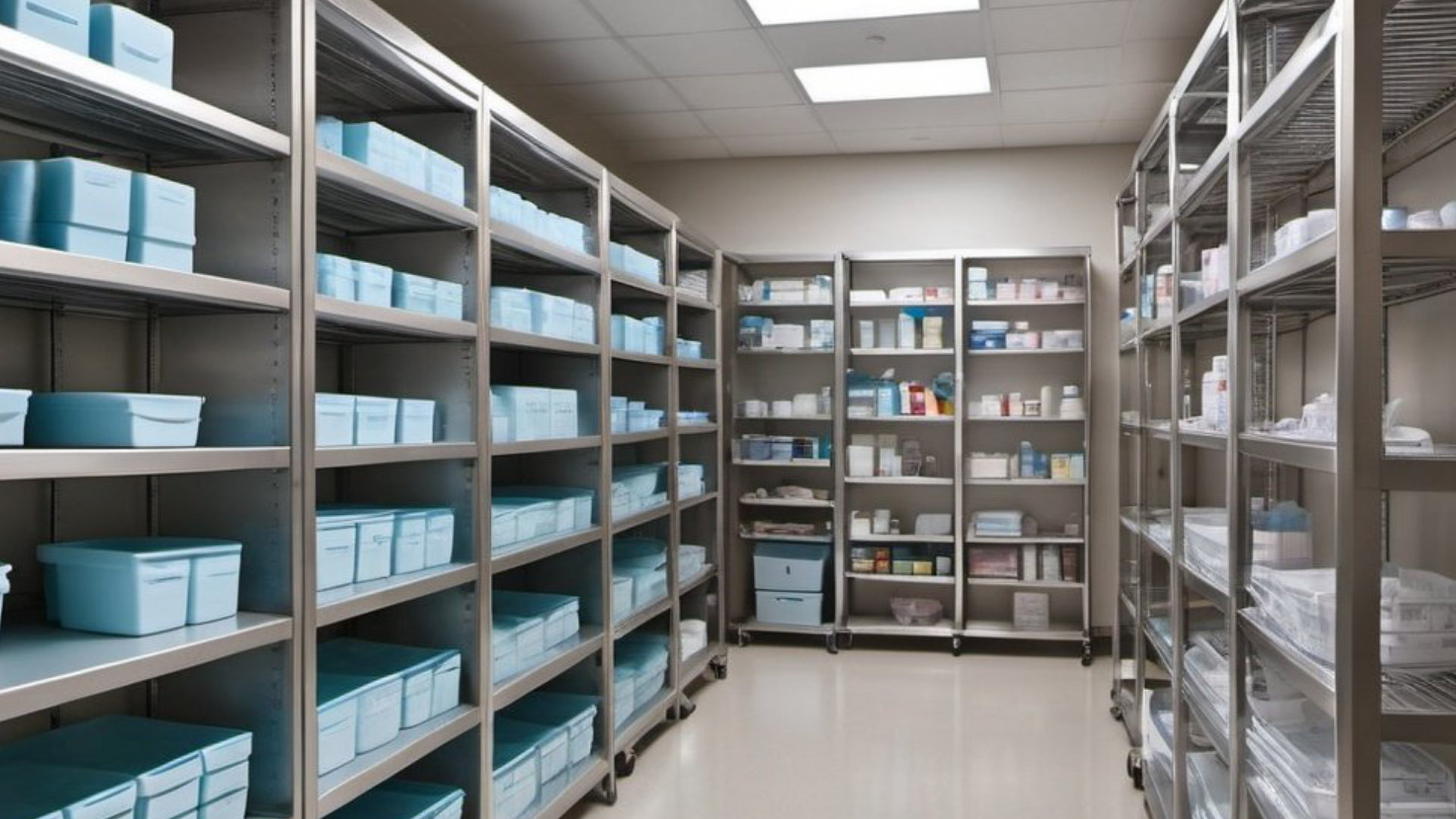
Key Functions of Sterile Stores
Consistent Storage Conditions
The environment within sterile stores is carefully controlled to safeguard against factors that might compromise sterility, such as fluctuations in temperature, humidity, and air quality.
Inventory Management
A well-organised inventory system is crucial. It ensures the availability of the required sterile instruments while avoiding excess stock that might expire before use, ultimately optimising stock levels and minimising waste.
Tracking & Distribution
Sterile stores utilise tracking systems, often employing barcoding or RFID technology, to monitor the movement and usage of items. This allows for efficient retrieval and distribution of sterilised goods to various departments within the facility.
Sterility Maintenance
Ensuring the maintenance of sterility until the point of use is paramount. Items are stored in a manner that prevents damage to packaging and provides easy access without compromising other items’ sterility.
Important Considerations
Shelf Life: Items in sterile stores have a defined shelf life, which can be influenced by the type of sterilisation used, the packaging materials, and storage conditions. Proper rotation of stock is necessary to use items within their sterilisation period.
System Integration: Ideally, sterile stores are integrated with other hospital systems such as CSSD and Operating Rooms (OR) to synchronise the flow of materials and ensure that demands are met appropriately and timely.
Staff Training: Personnel must be well-trained in handling sterile products, understanding storage principles, and utilising inventory management systems to maintain high standards of hygiene and organisation.
Quality Assurance: Regular inspections and quality control measures are put in place to verify the integrity of packaging, the efficacy of storage conditions, and the adherence to best practices for storage and handling.
Regulatory Compliance: Adherence to local and international standards for sterile storage is essential to pass audits, avoid penalties, and ensure patient safety.
Overall, sterile stores are critical in the chain of infection control and patient safety. By maintaining the sterility of healthcare products from their processing in CSSD to the moment they are utilised in a clinical setting, sterile stores play a fundamental role in the prevention of healthcare-associated infections (HAIs) and contribute substantially to quality patient care.
QUALITY ASSURANCE CYCLE

At Kur-a-Med, our commitment to enhancing patient safety and supporting the vital operations of CSSD is at the forefront of everything we do. We bring an unparalleled level of expertise and dedication to the field of CSSD quality assurance and compliance through our product, service and customer support offering.
Training & In-Service Support
Upskilling the CSSD Technician Team
Our skilled sales team offers In-Service knowledge training. This program is designed to upskill the CSSD technician team, providing them with the latest industry insights, best practices, and technical skills required to excel in their roles.